Exterior Residential Painting in Dutchess & Ulster County
Professional exterior painting for Hudson Valley homes, focused on proper preparation, weather protection, and long-lasting finishes built for Northeast conditions.
Get a FREE Quote now
CALL NOW 845-407-1020
Established Local Contractor • Licensed & Insured • Residential & Commercial Projects
Clean, Professional Job Sites • Hudson Valley Based
Exterior Painting Services for Hudson Valley Homes
Homes throughout the Hudson Valley are exposed to changing seasons, moisture, and temperature swings that can quickly wear down exterior surfaces. A professional exterior paint job does more than improve appearance. It protects siding, trim, and structural materials from long-term damage.
Our exterior residential painting services are designed specifically for homes in Dutchess and Ulster County. We focus on proper preparation, quality materials, and proven application methods so your exterior paint holds up to local conditions year after year.
Why Exterior Painting Matters in the Hudson Valley
Seasonal Weather Conditions
Cold winters, humid summers, and frequent temperature changes cause expansion and contraction that can lead to cracking, peeling, and paint failure when surfaces are not properly prepared.
Moisture and Humidity Exposure
Homes near rivers, wooded areas, and low-lying terrain often experience higher moisture levels that require the right primers and coatings to prevent premature wear.
Older Homes and Materials
Many homes in Kingston, Rhinebeck, and surrounding communities were built decades ago and require careful surface preparation and compatible products.
A properly executed exterior paint job protects your home while maintaining its appearance and long-term value.
What’s Included in Our Exterior Residential Painting
Surface Preparation
Scraping and sanding failing paint
Cleaning exterior surfaces
Addressing minor surface imperfections
Priming & Paint Selection
High-quality primers suited for Northeast weather
Durable exterior coatings
Proper products for all siding
Professional Application
Even, controlled paint application
Attention to trim, doors, and architectural details
Efficient, organized workflow
Protection and Cleanup
Protection of landscaping and surrounding areas
Clean job sites throughout the project
Final cleanup upon completion
Professional Exterior Cleaning Prior to Painting
Proper exterior painting begins with a clean, stable surface. Before priming and coating, siding must be free of dirt, mildew, chalking, and organic growth to ensure proper adhesion and long-term performance.
When exterior cleaning is required, we work with Freedom Powerwash, a Hudson Valley exterior cleaning company known for safe and effective house washing methods. Their soft wash process removes contaminants without damaging siding, trim, or surrounding surfaces.
Using professional exterior cleaning as part of surface preparation helps ensure coatings bond properly and perform as intended.
Our Painting Process
STEP ONE
Consultation & Estimate
We review scope, surfaces, timelines, and site conditions to provide a clear estimate.
STEP TWO
Preparation & Protection
Proper preparation, repairs, and protection of all areas including occupied spaces.
STEP THREE
Professional Painting
Clean application, consistent coverage, and attention to detail.
STEP FOUR
Final Walkthrough
We review the completed work to ensure expectations are met.
Exterior Painting for Different Home Types
We provide exterior residential painting for a wide range of homes, including:
Single-family homes
Older and historic-style homes
Newer construction
Homes in wooded or river-adjacent areas
Each home is evaluated individually to ensure the correct preparation methods and materials are used.
Proudly Serving Hudson Valley Communities
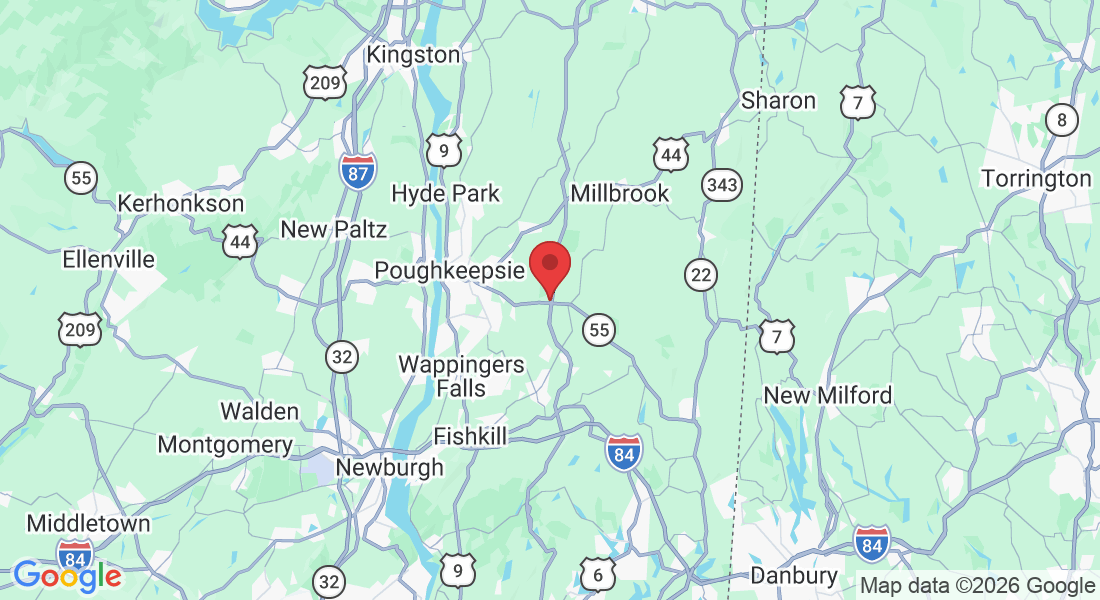
From our Pleasant Valley location, we serve residential and commercial clients throughout Dutchess County and Ulster County.
Why Choose Scoville Painting for Exterior Residential Painting
Experienced local painting contractor
Clean, professional job sites
Clear communication and realistic timelines
Strong attention to surface preparation
Reliable, long-lasting results
We focus on doing the job right and treating your home with care.
Quality You Can See. Experience You Can Trust.
Request a EXTERIOR Painting Estimate
If you’re planning an exterior painting project, we’re happy to discuss your needs and provide a professional estimate.
STILL NOT SURE?
Frequently Asked Questions About Exterior Residential Painting
When is the best time to paint the exterior of a home in the Hudson Valley?
The best time to paint a home’s exterior in the Hudson Valley is typically late spring through early fall, when daytime and overnight temperatures stay within manufacturer-recommended ranges. Paint needs stable temperatures and time to cure properly, especially with our region’s humidity and temperature swings.
The honest truth:
Exterior painting rushed too early in the spring or too late in the fall often fails sooner. If overnight temperatures drop too low, paint may look fine at first but can lose adhesion months later. Timing matters more here than in warmer regions.
How long should exterior paint last on a Hudson Valley home?
A properly prepared and professionally painted exterior should last 7–10 years on average in this region, depending on exposure, siding type, and sun direction. Homes near wooded areas, rivers, or with heavy shade may see shorter cycles if moisture isn’t properly addressed.
What most painters won’t say:
Paint doesn’t fail because it’s “old” - it fails because prep was rushed or the wrong products were used for our climate. Skipping steps upfront almost always shortens the lifespan of the job.
What causes exterior paint to peel or fail so quickly around here?
In the Hudson Valley, premature paint failure is usually caused by:
- Moisture trapped beneath the paint
- Poor surface preparation
- Painting in improper temperatures
- Using products not suited for local conditions
Freeze-thaw cycles are especially hard on siding and trim when moisture gets behind the paint film.
Straight answer:
If peeling shows up within a few years, it’s rarely bad luck - it’s almost always a prep or product issue.
How much preparation is really needed before exterior painting?
Preparation is the most important part of the job. It typically includes removing loose paint, cleaning the surface, addressing problem areas, and properly priming before any finish paint is applied.
The truth most homeowners aren’t told:
A faster paint job usually means less prep. Less prep means the paint won’t last. If a contractor downplays preparation, that’s a red flag, especially in our climate.
Is spraying or brushing better for exterior house painting?
Neither method is “better” on its own. The right approach depends on the surface, condition, and layout of the home. Many quality exterior projects use a combination of spraying, brushing, and rolling to ensure proper coverage and adhesion.
What matters most:
How the paint is worked into the surface, not just how fast it goes on. A sprayed house without proper back-brushing or detail work often doesn’t hold up long-term.
Why do exterior painting estimates vary so much in price?
Exterior painting costs vary based on:
- Home size and height
- Surface condition
- Amount of prep required
- Number of colors and details
- Access and safety considerations
The honest explanation:
Lower prices usually mean corners are being cut somewhere - often in prep, materials, or labor time. A fair estimate reflects what it actually takes to do the job correctly in the Hudson Valley.
Quality You Can See. Experience You Can Trust..


Copyright © 2026 Scoville Painting All rights reserved.
